

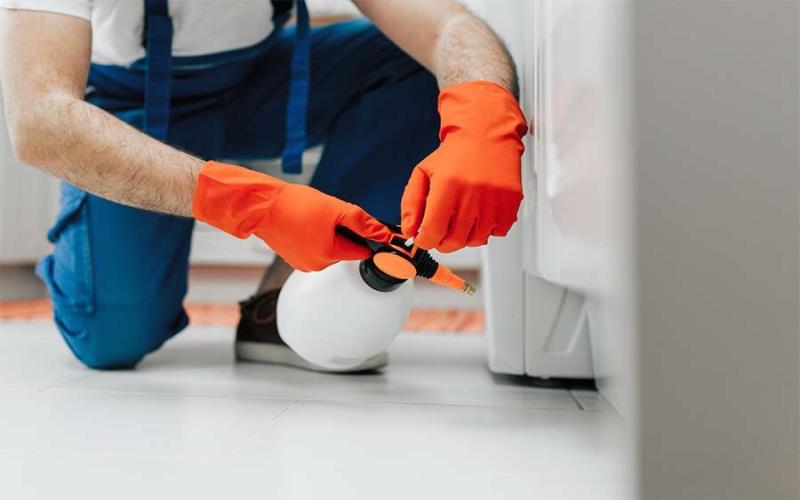
In recent years, there has been a noticeable uptick in the demand for pest control solutions across residential, commercial, and industrial sectors. Several factors, including urbanization, climate change, and heightened awareness of health and hygiene standards, contribute to this surge in demand. Pest control companies serve society effectively; one such company is Serve Pest Control. Understanding the underlying reasons for this growing demand sheds light on the importance of effective pest control measures in today’s society.
Urbanization and Population Growth
The prevalence of pests has become increasingly pronounced with the ongoing growth of populations and the expansion of urban areas. Urban environments provide ample opportunities for pests to thrive, with densely populated areas offering abundant food sources and shelter. Consequently, the need for pest control solutions has surged in urban centers, where pest infestations pose significant challenges for residents and businesses alike.
Climate Change and Environmental Factors
Climate change has also contributed to the escalating demand for pest control solutions. Temperature and precipitation pattern fluctuations can potentially alter pest behavior and distribution, leading to increased pest activity within particular regions. Warmer temperatures, in particular, can accelerate pests’ reproductive cycles, such as mosquitoes and rodents, exacerbating pest problems and heightening the need for effective control measures.
Globalization and Travel
Globalization and increased international travel have facilitated the spread of pests across borders, contributing to the rising demand for pest control solutions. Pests hitchhike on cargo shipments, luggage, and vehicles, entering new environments where they can establish thriving populations. As a result, pest control companies are called upon to address emerging pest threats and prevent their spread to new areas.
Health and Hygiene Concerns
Heightened awareness of health and hygiene standards has also fueled the demand for pest control solutions. Pests are disease vectors capable of transmitting pathogens that threaten human health. These hazards include the transmission of foodborne illnesses by rodents and insects and respiratory concerns triggered by allergens from cockroach infestations.
Regulatory Requirements and Industry Standards
Regulatory requirements and industry standards mandate pest control measures in various sectors, further driving the demand for professional pest control services. Food processing, healthcare, and hospitality establishments are subject to strict hygiene regulations that necessitate effective pest management protocols. Adhering to these standards is crucial to upholding a safe and sanitary environment for customers, employees, and visitors.
Economic Impact of Pest Infestations
The economic impact of pest infestations cannot be overstated, prompting businesses and homeowners to prioritize pest control measures. Pests can cause property damage, contaminate food supplies, and disrupt operations, resulting in financial losses for affected individuals and businesses. Property owners can mitigate the risk of costly repairs and safeguard their assets against pest-related damage by investing in pest control solutions.
Conclusion
The growing demand for pest control solutions reflects the multifaceted challenges pests pose in today’s society. Urbanization, climate change, globalization, health concerns, regulatory requirements, and economic considerations all contribute to the increasing need for effective pest management strategies. By addressing these factors and implementing proactive pest control measures, individuals and businesses can protect their properties, promote public health, and ensure a safer and healthier environment.
