

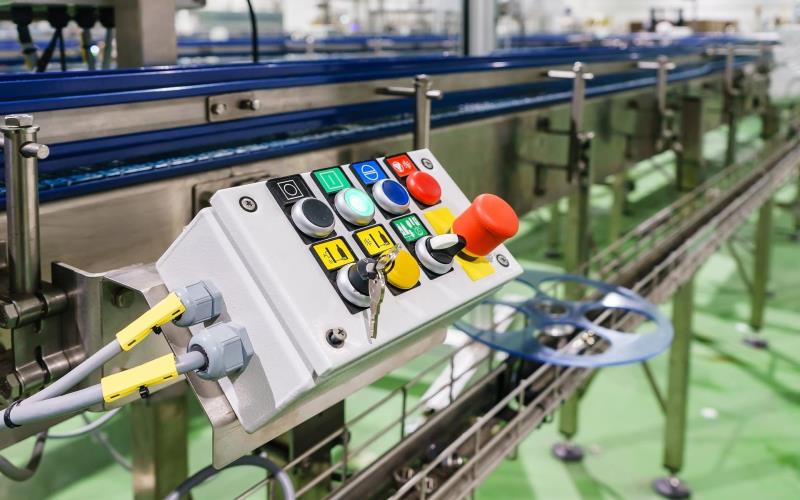
Automatic conveyor systems are the backbone of many industries, facilitating the seamless movement of materials throughout production processes. To ensure optimal efficiency and productivity, it’s crucial to maintain these systems and address potential issues promptly.
In this blog, we’ll explore essential tips for keeping your automatic conveyor system running smoothly, minimising downtime, and maximising performance.
Regular Inspection and Maintenance
-
Scheduled Inspections
Implement a routine inspection schedule to assess the overall condition of your conveyor system. Regular inspections can help identify minor issues before they escalate into major problems, preventing unexpected breakdowns.
-
Belt Tension
Check and adjust the tension of automatic conveyor systems regularly. Proper tension ensures smooth movement and prevents slippage or misalignment. Consult the manufacturer’s guidelines for recommended tension levels and adjustment procedures.
-
Lubrication
Maintain a consistent lubrication schedule for all moving parts, such as bearings, rollers, and chains. Adequate lubrication reduces friction, extends the lifespan of components, and contributes to smoother conveyor operation.
-
Cleanliness
Keep the automatic conveyor system clean by regularly removing debris, dust, and any material buildup. Accumulated debris can cause blockages, increase wear and tear, and compromise the overall efficiency of the system.
Employee Training
-
Proper Operation Training
Ensure that operators are well-trained in the proper operation of the conveyor system. Provide comprehensive training on starting, stopping, emergency procedures, and troubleshooting common issues. Knowledgeable operators can contribute significantly to system longevity.
-
Safety Procedures
Emphasise safety protocols and procedures to reduce the risk of accidents. Employees should be aware of emergency stop buttons, proper lockout/tagout procedures, and the importance of wearing appropriate personal protective equipment (PPE) when working with the conveyor system.
-
Reporting Mechanism
Establish a precise reporting mechanism for operators to communicate any issues or abnormalities they observe during their shifts. Prompt reporting allows maintenance teams to address problems before they lead to system failures.
Monitoring and Analytics
-
Utilise Sensors and Monitoring Systems
Implement sensors and monitoring systems to track the performance of the automatic conveyor system in real-time. These technologies can detect anomalies, measure system efficiency, and provide data for predictive maintenance.
-
Data Analytics
Embrace data analytics to analyse performance trends and identify patterns that may indicate potential issues. By leveraging data, you can make informed decisions regarding maintenance schedules, component replacements, and system improvements.
-
Predictive Maintenance
The transition from reactive maintenance to predictive maintenance by using data analytics to anticipate when components may fail. Predictive maintenance minimises downtime by addressing issues before they impact the overall system.
Emergency Preparedness
-
Emergency Stop Testing
Regularly test and verify the effectiveness of emergency stop buttons. These buttons are critical for quickly halting the conveyor system in case of emergencies or malfunctions, ensuring the safety of both personnel and equipment.
-
Spare Parts Inventory
Maintain a well-organised inventory of essential spare parts. Having critical components readily available reduces downtime during repairs, allowing for quick replacements and minimising disruptions to production.
-
Emergency Response Plan
Develop and communicate a comprehensive emergency response plan. Ensure that all employees are familiar with the procedures to follow in the event of a system failure, power outage, or other emergencies.
Environmental Considerations
-
Climate Control
Maintain a suitable climate for the conveyor system, primarily if it operates in extreme temperatures or humidity. Climate control measures can prevent components from deteriorating prematurely due to environmental conditions.
-
Dust Control
Implement effective dust control measures to prevent dust accumulation on conveyor components. Excessive dust can lead to increased wear and tear, decreased efficiency, and potential fire hazards.
-
Material Compatibility
Ensure that the conveyor system is compatible with the materials it handles. Certain materials may cause increased wear on components or pose specific challenges, requiring adjustments or specialised equipment.
Sustaining Optimal Performance
A well-maintained automatic conveyor system is a crucial asset for efficient and reliable material handling in various industries. Prioritising preventive maintenance and staying abreast of technological advancements contribute to the longevity and performance of conveyor systems.
This ultimately supports uninterrupted production processes and enhances overall operational efficiency. As automation continues to play a central role in industrial processes, the importance of proactive maintenance and continuous improvement cannot be overstated. Invest in the right partner today, and let your business achieve new levels of success!
